Pregnancy Hospital Bag Checklist: Everything You Need Before the Big Day
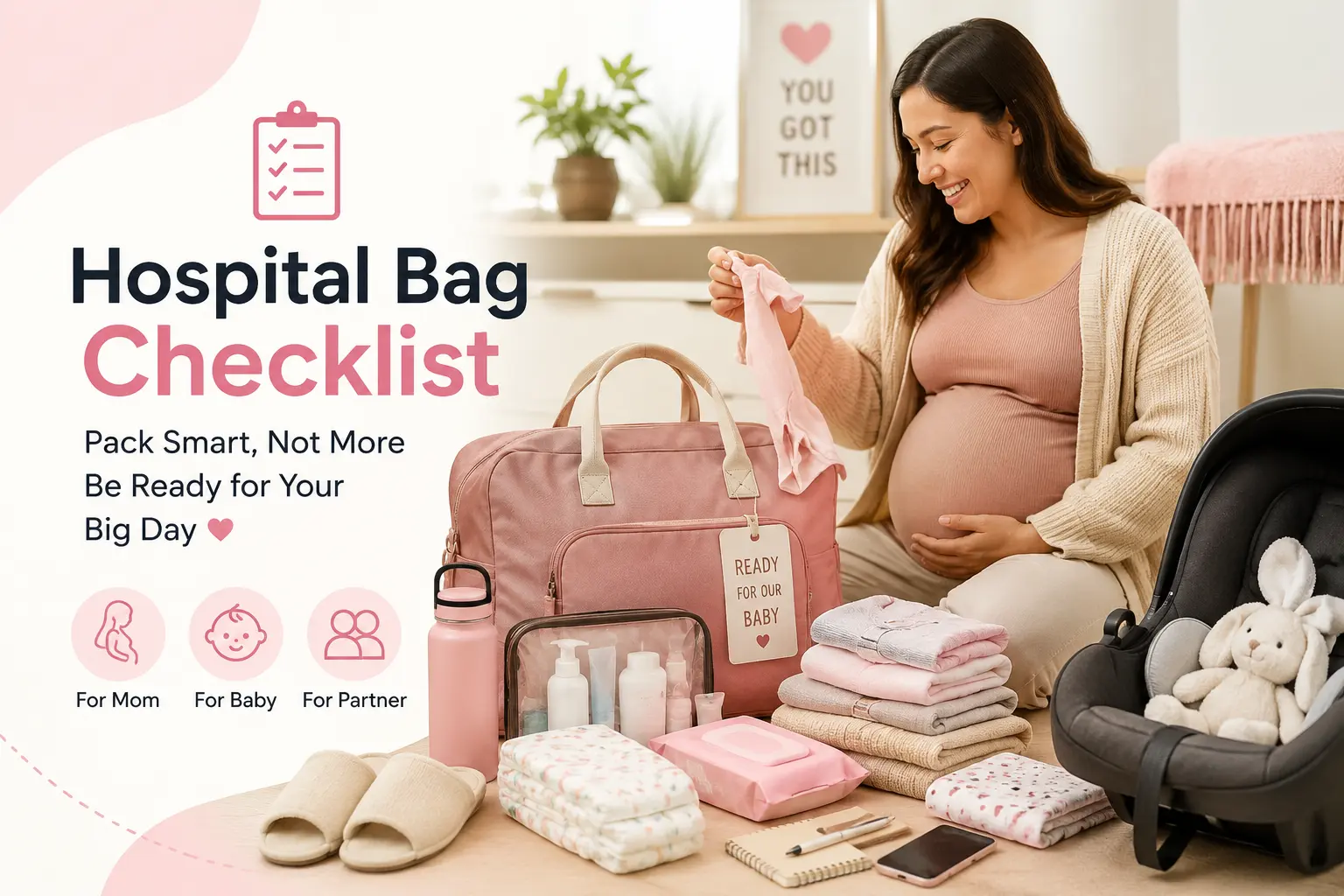
The moment you hear your baby’s first cry is a memory that stays with you forever. It is a day filled with excitement, hope, love, and a little nervousness. Yet, as beautiful as childbirth is, labor rarely follows a perfect schedule. Some babies arrive weeks before their due date, while others decide to keep everyone waiting a little longer. That uncertainty is exactly why preparing a Pregnancy Hospital Bag Checklist is one of the smartest things every expectant mother can do.
Imagine your contractions have started in the middle of the night. Your partner is getting the car ready, family members are calling, and your mind is racing with excitement. The last thing you want is to search every room looking for your phone charger, baby's first outfit, or important medical documents. A well-packed hospital bag removes that stress and allows you to focus on what truly matters—bringing your little one safely into the world.
Many first-time parents think packing a hospital bag is simply about putting a few clothes into a suitcase. In reality, it is much more than that. It is about preparing for one of the most important journeys of your life. From labor and delivery to postpartum recovery and your baby's first trip home, every small item you pack can make those precious first days more comfortable and less overwhelming.
Most healthcare professionals recommend having your hospital bag ready around 36 weeks of pregnancy. Even if your due date still feels far away, babies often have their own plans. Being prepared early gives you confidence and peace of mind, knowing that whenever labor begins, everything you need is already waiting by the door.
If you are not sure how many weeks pregnant you are or want to estimate your baby's expected arrival, try MammaTrack's Due Date Calculator before you start packing. Knowing your estimated delivery date can help you decide the perfect time to organize your hospital bag and complete the final preparations for birth.
As your pregnancy moves closer to delivery, you may also find yourself imagining your baby's tiny hands, soft smile, and even wondering what name will suit them best. If you haven't chosen a name yet, the Baby Name Generator can help you discover beautiful and meaningful ideas while you wait for your little one's arrival.
Every hospital has slightly different policies, and every pregnancy is unique. Some mothers stay for just one night, while others may need a longer recovery period after delivery. That is why there is no single packing list that fits everyone perfectly. Instead, the goal is to pack wisely, avoid unnecessary items, and ensure you have everything that will make your hospital stay easier for both you and your baby.
This complete Pregnancy Hospital Bag Checklist has been carefully created to help expecting parents feel fully prepared. Whether you are welcoming your first child or adding another beautiful member to your growing family, this guide covers the essential items for mothers, babies, and birth partners, along with practical packing tips and common mistakes you should avoid.
By the time you finish reading, you will know exactly what to pack, when to pack it, and how to walk into the hospital feeling calm, confident, and ready to meet the newest member of your family.
Why Every Mom Needs a Pregnancy Hospital Bag Checklist
Preparing a Pregnancy Hospital Bag Checklist is not about expecting complications—it is about giving yourself one less thing to worry about when labor begins. Childbirth can start at any hour of the day or night, and once contractions become regular, there may be very little time to think about forgotten essentials.
Having your hospital bag packed in advance means you can leave home quickly without rushing through drawers or making stressful last-minute decisions. It also helps your birth partner know exactly where everything is, allowing them to support you instead of searching for important items.
A thoughtfully prepared hospital bag offers more than convenience. It provides reassurance. Knowing that your documents, comfortable clothing, baby essentials, toiletries, and recovery supplies are already packed allows you to focus your energy on the birth experience rather than on logistics.
Whether your delivery is natural, induced, or by cesarean section, being prepared helps make the journey into motherhood feel a little more organized—and a lot less stressful.
When Should You Pack Your Hospital Bag?
There is no perfect calendar date that guarantees when labor will begin. While your estimated due date is an important milestone, many babies arrive earlier or later than expected. That is why most maternity specialists recommend packing your hospital bag between 36 and 37 weeks of pregnancy. If you are expecting twins, have a high-risk pregnancy, or your healthcare provider has mentioned the possibility of an early delivery, it is even wiser to prepare sooner.
Think of your hospital bag as part of your birth plan. Once it is packed, place it somewhere easy to reach—near your front door, in your car, or beside the baby's nursery. Let your birth partner know exactly where it is so there is no confusion when it is time to leave for the hospital.
If you are still unsure about your expected delivery date, use MammaTrack's Due Date Calculator to estimate when your baby may arrive:
Pregnancy Hospital Bag Checklist for Mom
Your comfort matters just as much as your baby's. During labor and the first few days after birth, simple essentials can make a huge difference in helping you feel clean, comfortable, and relaxed.
Important Documents You Should Never Forget
Before anything else, make sure all your medical paperwork is ready. Hospitals usually ask for these documents as soon as you arrive, and having them organized can speed up the admission process.
Prepare a waterproof folder containing:
- Photo ID or identification card
- Hospital registration papers
- Pregnancy medical records
- Doctor's prescriptions
- Ultrasound reports
- Blood test reports
- Health insurance documents (if applicable)
- Birth plan (optional)
- Emergency contact information
Keeping everything together means you won't have to search through multiple bags during an emotional moment.
Comfortable Clothes for Labor and Recovery
Hospitals provide basic gowns, but many mothers feel more comfortable wearing their own soft clothing after delivery.
Consider packing:
- 2–3 loose nightgowns
- Nursing-friendly pajamas
- Nursing bras
- Comfortable cotton underwear
- Disposable maternity underwear
- Warm socks
- Slip-on slippers
- Lightweight robe
- Comfortable outfit for going home
Choose breathable cotton fabrics and loose-fitting clothes that allow your body to recover comfortably.
Personal Toiletries
Even a short hospital stay feels much better when you have your favorite personal care items with you.
Pack travel-size essentials such as:
- Toothbrush
- Toothpaste
- Face wash
- Shampoo
- Conditioner
- Mild soap
- Hairbrush or comb
- Hair ties
- Lip balm
- Moisturizer
- Deodorant
- Hand sanitizer
- Facial tissues
- Small towel
Many mothers also like bringing a little moisturizer because hospital rooms can feel dry, especially with air conditioning.
Labor Comfort Essentials
Labor is different for every woman. Some mothers deliver within a few hours, while others spend much longer in labor. Packing a few comfort items can help you stay relaxed throughout the experience.
Helpful items include:
- Reusable water bottle
- Healthy snacks (if permitted)
- Long phone charger
- Power bank
- Pillow from home
- Eye mask
- Earphones
- Relaxing music playlist
- Small portable fan
- Massage oil or massage ball (if approved by your healthcare provider)
These simple comforts may seem small now, but during labor they can make a surprisingly big difference.
Postpartum Recovery Essentials
After childbirth, your body needs rest, care, and gentle support. Whether you have a vaginal birth or a cesarean section, recovery supplies will help you feel more comfortable.
Include:
- Maternity pads
- Breast pads
- Nursing pillow (optional)
- Nipple cream
- Comfortable robe
- Extra underwear
- Water bottle
- Healthy snacks
- Reusable shopping bag for hospital paperwork and gifts
Don't hesitate to ask your hospital which recovery supplies they already provide. Packing only what you truly need will keep your hospital bag lighter and easier to manage.
Pregnancy Hospital Bag Checklist for Baby
The smallest member of your family needs surprisingly few things, but those essentials should be packed with care.
Seeing your baby's first tiny outfit folded neatly inside your hospital bag is one of the sweetest moments of pregnancy. It reminds you that soon those tiny clothes will finally have someone to wear them.
Pack these baby essentials:
- 3–5 newborn bodysuits
- 2–3 sleepsuits
- Baby vest
- Soft hat or cap
- Mittens
- Socks
- Swaddle blanket
- Receiving blanket
- Muslin cloths
- Baby diapers
- Baby wipes
- Going-home outfit
If your baby is expected during winter, don't forget a warm blanket and an extra layer of clothing for the journey home.
Feeding Essentials
If you plan to breastfeed, you won't need to pack much. However, a few supportive items can make feeding easier during the first days.
Helpful items include:
- Nursing cover (optional)
- Breast pads
- Burp cloths
- Nursing pillow
- Water bottle for mom
If your baby requires formula feeding for medical reasons, the hospital will usually guide you on what is needed.
Baby's First Going-Home Outfit
One of the happiest moments comes when your baby is finally ready to leave the hospital.
Choose clothing that is:
- Soft and breathable
- Easy to put on
- Weather appropriate
- Comfortable for the car seat
Many parents also pack a special outfit for their baby's first photographs—a beautiful memory you'll treasure forever.
Hospital Bag Checklist for Birth Partner
While everyone focuses on the mother and baby, your birth partner should also come prepared. Labor can last several hours or even longer, and having a few essentials will help them stay comfortable and ready to support you throughout the experience.
Your partner's bag should include:
- Comfortable change of clothes
- Lightweight jacket or hoodie
- Snacks and water
- Phone charger
- Power bank
- Wallet with cash or cards
- Toiletries
- Any personal medications
- Camera (optional)
- Important phone numbers
A calm and prepared birth partner can make your labor experience even more reassuring and supportive.
Have a question or want to share your experience?
👉 Join our Community and connect with other parents.
Medical Disclaimer
This article is for informational purposes only and does not replace professional medical advice, diagnosis, or treatment. Always consult with a qualified healthcare provider for any questions regarding your health.
0 Comments
No comments yet. Join the conversation!
Leave a Reply
Your email address will not be published. Required fields are marked *